
Your Recovery Starts With One Step
Confidential support available 24/7. Most insurance plans accepted — check yours in under a minute.
Confidential support available 24/7. Most insurance plans accepted — check yours in under a minute.
Rebuilding Recovery Center in Easton, Massachusetts, offers evidence-based treatments for Xanax addiction. You’ll receive structured support for safely managing dependence, improving mental health, and developing long-term recovery strategies.

Xanax, the brand name for alprazolam, is a benzodiazepine used to treat anxiety and panic. Over time, the body can grow dependent on it, making it hard to function or stop without help. Treatment focuses on understanding triggers, managing symptoms, and restoring daily balance.
Rebuilding Recovery offers outpatient treatment tailored to your schedule and goals. Care begins with a complete assessment of Xanax use, mental health, and your support system.
Our programs focus on therapy, emotion regulation, and relapse prevention. We also treat co-occurring conditions like anxiety or depression. While we do not provide detox, our team coordinates with trusted medical partners if a detox program is needed before therapy.
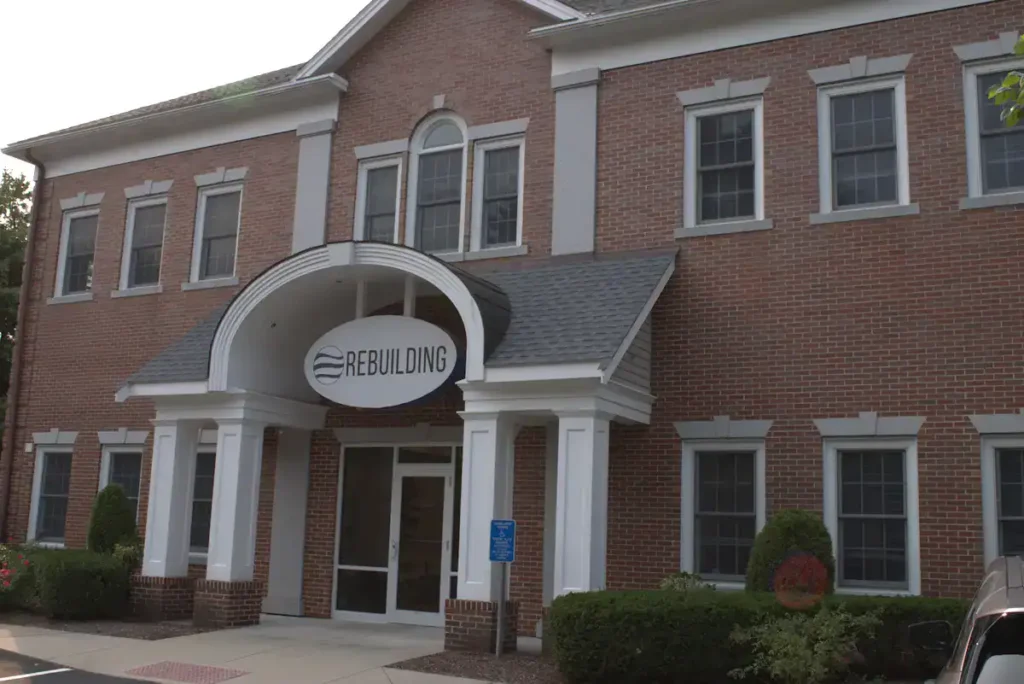
Taking the first step toward recovery isn’t easy, especially when addiction has already touched your health, your relationships, and your daily life. If you or someone you love is ready for change, we’re here to help you find the right path forward. At Rebuilding Recovery Center, our licensed clinicians provide outpatient drug and alcohol rehab in Easton, Massachusetts, just south of Boston, with personalized, evidence-based care built around your goals. We’ll listen to your story, answer your questions, and help you choose the level of support that fits your life. Reach out today for a free, confidential conversation and take the next step toward lasting recovery.

We address Xanax addiction alongside depression, anxiety, trauma, or other substance use, ensuring whole-person healing.
Options include CBT, DBT, trauma therapy, and optional 12-Step support so you can personalize your recovery path
With your consent, loved ones can attend family therapy, receive updates, and learn how to support your recovery at home.
Our “unreasonable hospitality” ensures responsive care, quick follow-ups, and a supportive healing environment.
Every plan includes personalized strategies to build healthy habits, prevent relapse, and sustain long-term stability.
In our Day Treatment program, you attend four groups daily with weekly individual therapy, family work, and case management. The structure helps you practice skills, reduce Xanax reliance, and return home each evening.
Within Half-Day Treatment, you receive targeted groups, weekly one-on-one sessions, and medication management when appropriate. This flexible option supports progress while you manage work, school, or family duties.
Through Virtual Treatment, the same therapies are delivered via secure telehealth, apart from some expressive arts. Telehealth options work best if you have stable housing, reliable internet, and a quiet, private space.
Posted on Google
 Alicia Googins
Trustindex verifies that the original source of the review is Google.
Andrew Linberg and the team at Rebuilding Recovery are the best of the best. They care deeply about each and every client and the entire family system that is affected by the disease of addiction. Andrew is tireless in his support for those suffering from alcoholism and other addictions, and is truly gifted in helping others move towards lives of rigorous honestly and real recovery. Our family would not be where it is today without Rebuilding Recovery. Thank you.Posted on Google Earle DonahueExcellent program and facility. This place is saving lives.Posted on Google
 Bryan GillentineThe team at Rebuilding Recovery Center provides exceptional care and professionalism. They are compassionate, supportive, and committed to helping anyone navigate any challenges they may be facing. Their dedication and responsiveness truly set them apart.Posted on Google
 Peter SalamoneRebuilding Recovery in Easton truly helped me change my life. The intensive outpatient program gave me the structure, support, and tools I needed to stabilize my mental health and begin building a real foundation in recovery. The staff genuinely care and meet you where you are without judgment. Through therapy, group work, and consistent support, I was able to address both my mental health and substance use in a way that felt realistic and sustainable. This program helped me learn how to live drug- and alcohol-free while developing healthier coping skills and routines. I’m incredibly grateful for the guidance and support I received, and I would highly recommend Rebuilding Recovery to anyone serious about recovery and long-term change.Posted on Google
 Dean CIf you are struggling with substance abuse and/or mental health, please reach out. This place does it right and they can helpPosted on Google
 Cam JacobsGreat experience at Rebuilding Recovery Center. The staff is knowledgeable, welcoming, and genuinely cares about helping you feel and perform better. Highly recommend for anyone serious about recovery.Posted on Google
 Thomas BennettVirtual therapy was an awesome experience for me, using services from out of state was easy. Highly recommend Kyle for anyone looking for a therapistPosted on Google
 michael schryverWhat an absolutely great place with amazing people. Extremely comfortable atmosphere and excellent staff to help with your needsPosted on Google
 Aidan LevangieHaving worked in and been enrolled in multiple treatment centers throughout my life, I can't emphasize enough how different rebuilding recovery is. Every staff member genuinely cares and will do whatever they can to support you, and if something is beyond their capacity, they'll connect you with those who can help. If you're struggling, this is the first place I would recommend seeking help.

Your plan emphasizes emotional and behavioral recovery. You will learn to spot triggers, manage anxiety without medication, and use healthy coping tools. Sessions focus on structure, accountability, and steady habit change. Education on Xanax withdrawal risks, medication safety, and relapse prevention supports long-term stability.
Xanax Side Effects:
Cognitive-behavioral therapy (CBT) to map triggers and practice new responses
Dialectical behavior therapy (DBT) for emotion regulation and distress tolerance
Experiential and expressive arts to reduce anxiety through practice
Holistic supports like mindfulness, yoga, nutrition, and life skills
We accept most insurance plans and verify benefits quickly. Massachusetts parity rules require comparable coverage for behavioral health, including substance-related care.








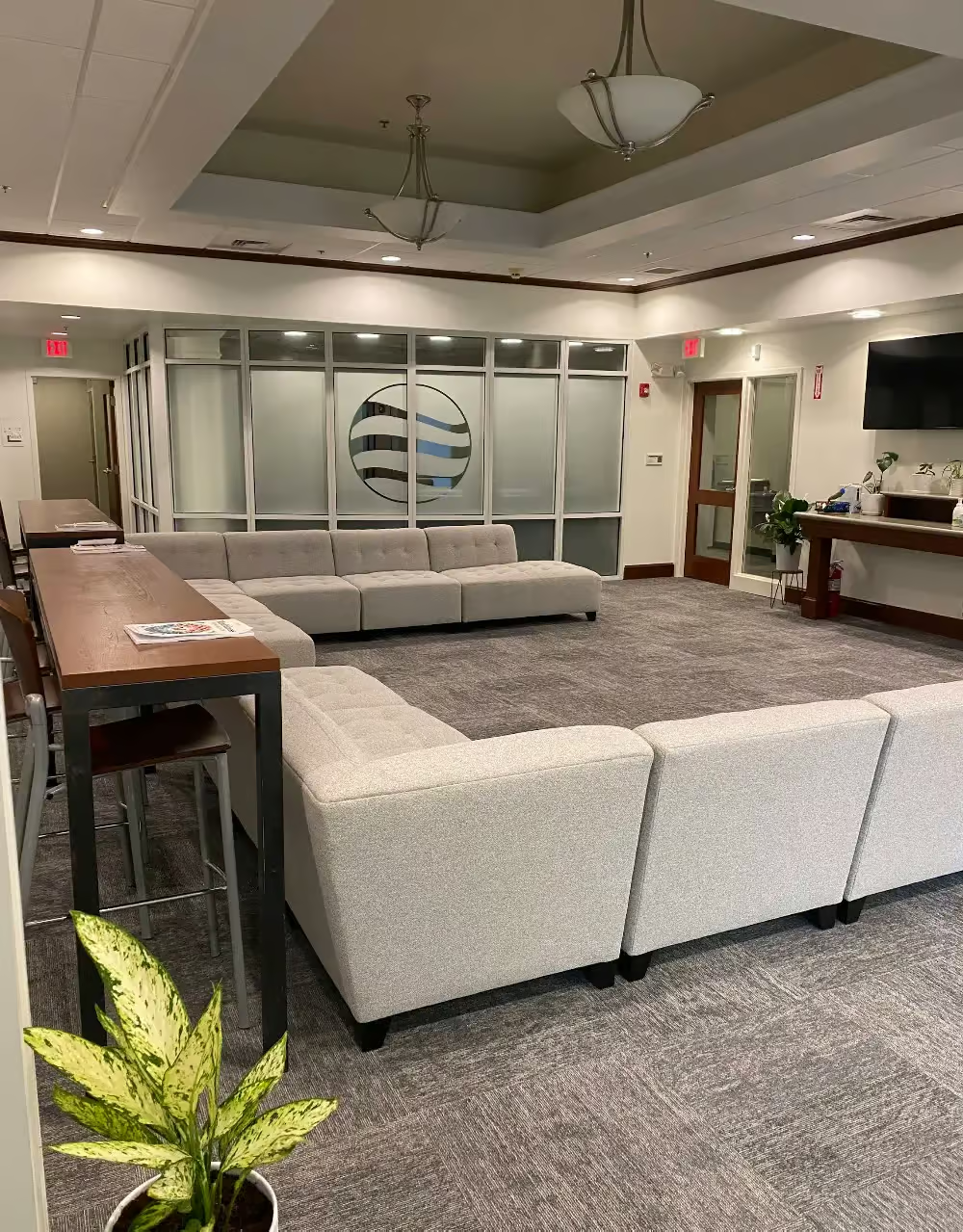
Beginning treatment at Rebuilding Recovery is simple and confidential.
We’ll talk through your goals and verify your insurance.
You’ll attend an in-person or virtual meeting to discuss your needs.
With our guidance, you’ll go through proven and wellness therapies.
Our team can help you transition to lower levels of care as needed.
Recovery from Xanax addiction is possible with structured support and a plan you can live with. At Rebuilding Recovery Center in Easton, you will find day, half-day, and virtual options that match your needs. Call today to begin care and move forward with confidence.
Yes. Benzodiazepines can cause physical dependence and addiction, especially with longer use or higher doses. Structured therapy helps you taper safely and rebuild daily routines.
It is not recommended. Abrupt stopping can trigger withdrawal and rebound anxiety. Speak to a medical professional to plan a safe taper before therapy.
Withdrawal timelines vary by dose, duration, and health. Many people notice improvement over several weeks with medical guidance and consistent support.
You will join group and individual therapy, learn coping skills, and create a relapse-prevention plan. Care addresses anxiety, sleep, and mood concerns that drive use.
All are central nervous system depressants. Combining them increases the risk of slowed breathing, overdose, and death. Avoid mixing and seek help if you are unsure.
Yes. Our virtual program mirrors in-person care, apart from some expressive arts, and is available nationwide. Online treatment works well for stable home settings.