
Alcohol and Drug Rehab in Massachusetts
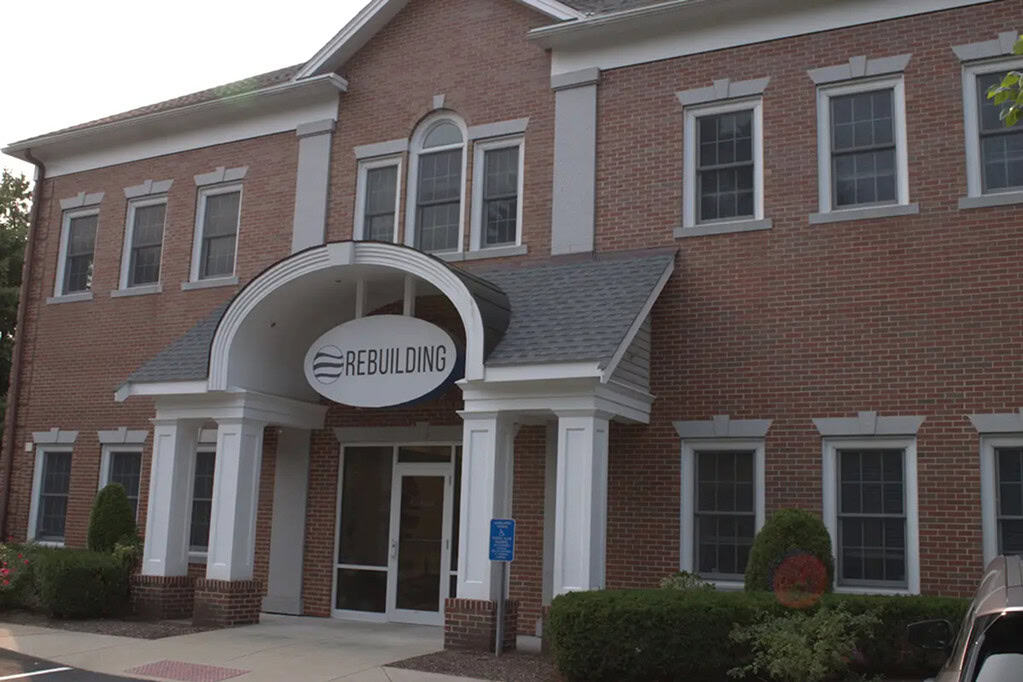
At Rebuilding Recovery Center in Easton, you’ll receive compassionate addiction treatment near Boston, MA. Our licensed clinicians are here to help you rebuild your life and achieve lasting change.
Addiction Treatment You Can Trust
Meaningful progress in addiction treatment often depends on the quality of guidance and the environment where healing takes place. Effective programs focus on practical tools, consistent encouragement, and clear goals that help individuals move forward with confidence. A strong foundation also includes experienced professionals who understand the complexities of substance use and behavioral health challenges. The principles below highlight the values that shape the experience at Rebuilding Recovery Center.
Personalized Care for Your Recovery
Your recovery plan is tailored to your unique needs, avoiding a one-size-fits-all approach.
A Supportive Environment
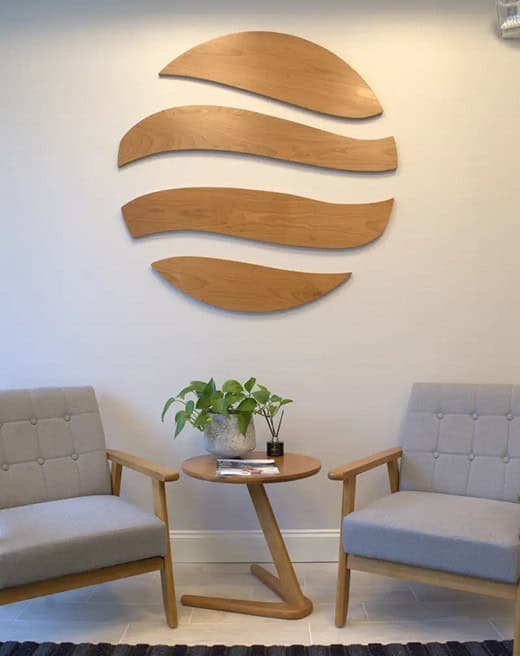
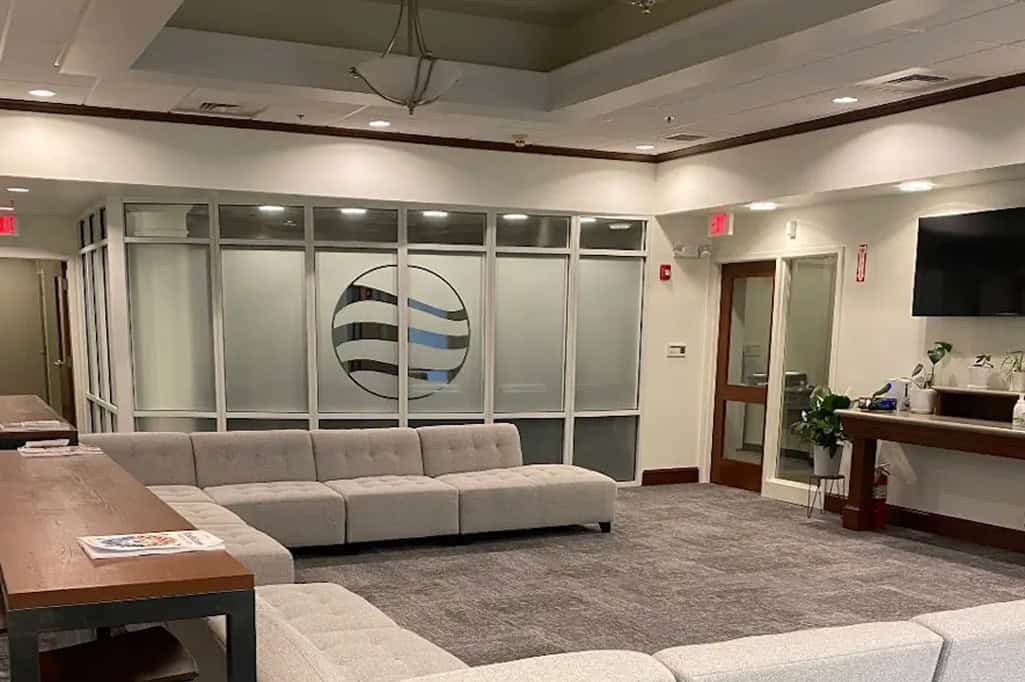
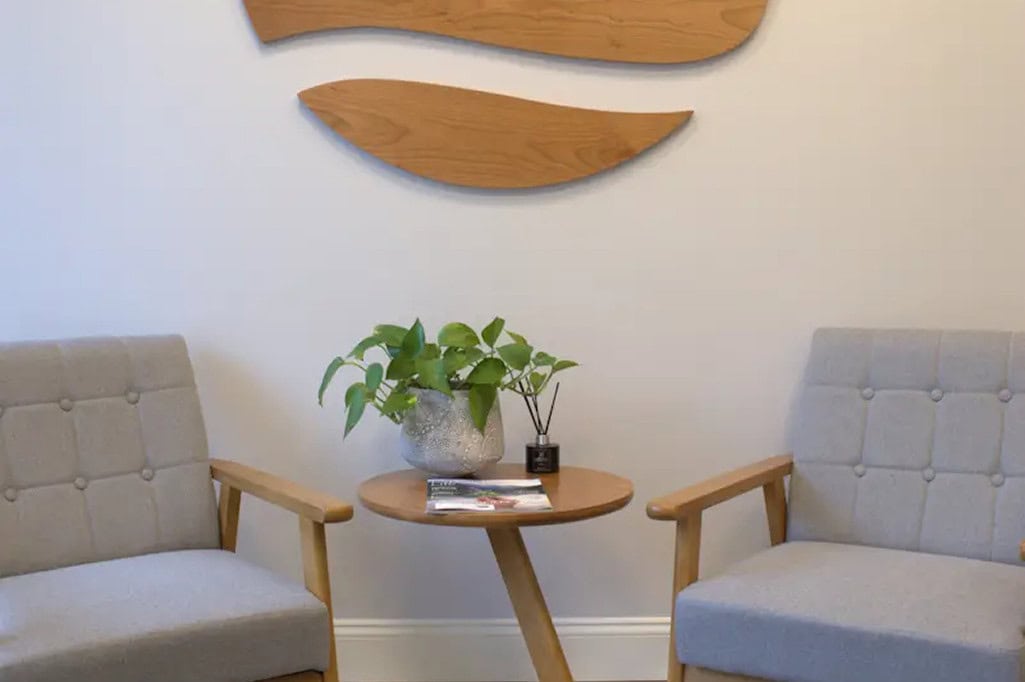
We provide a welcoming, judgment-free space where you can feel safe throughout the healing process.
Achieving Real Results
Our focus is on long-term recovery rather than just temporary solutions.
Compassionate Staff
Our team strives to build strong connections with you and your loved ones, ensuring ongoing support.
Drug Addiction Programs in Massachusetts
Everyone’s recovery journey is unique, so we offer a range of drug and alcohol rehab programs to support you at every stage.
Day Treatment Program

Our day treatment program is a full-time, structured program that provides a strong support system during the early stages of recovery. Also referred to as a partial hospitalization program (PHP) by insurance providers, you’ll attend therapy sessions and group discussions and work with our team to build a foundation for long-term success.
Half-Day Treatment Program

Our half-day treatment, also known as an intensive outpatient program (IOP), offers flexibility while still providing support. You’ll participate in therapy, skill-building, and recovery planning, but also have time for work, school, or family. This program helps you transition back into daily life while staying on track with recovery.
Online Treatment Program

We offer virtual treatment, providing the same expert care from the comfort of your own home. Whether you are balancing work and family or simply prefer remote support, we make recovery accessible.
Detox Referrals
We Accept Most Major Insurance Providers
We help verify benefits and coordinate coverage for your next steps at Rebuilding. Our team will review options and any out-of-pocket costs with you before you begin.

Success Stories
I love this place the people that work there are the nicest people in the world!
stress free process to get started and the staff is friendly and accommodating!
Fantastic program and great people!
Addiction Therapy at Rebuilding Recovery Center
Effective addiction treatment often includes multiple therapeutic approaches that address emotional, psychological, and behavioral challenges. Each therapy serves a specific purpose in helping individuals better understand their experiences and develop healthier coping strategies. Combining evidence-based counseling with experiential and holistic practices allows healing to occur on several levels. The therapies offered at Rebuilding Recovery Center represent the core components of our clinical approach to healing and long-term stability.
Trauma Therapy
Addiction is often linked to past pain. Our trauma-informed care helps you work through difficult experiences so they don’t control your future.
Family Therapy
Addiction affects more than just the person struggling. It also impacts family and friends. We involve loved ones in therapy, education, and support so they can better understand addiction and help in the healing process.
Didactic Therapy
Using didactic therapy, we teach practical skills to help you manage triggers, regulate emotions, and develop a stronger mindset for recovery.
Narrative Therapy
Many people struggling with addiction feel stuck in a cycle of negative thoughts. Narrative therapy helps you rewrite your personal story and take back control.
Expressive Arts Therapy
We offer expressive arts therapy, including art, writing, and music, allowing you to work through emotions in a creative and natural way, making the healing process feel personal and effective.
Holistic Treatments
We offer yoga, meditation, nutrition counseling, and life skills training as part of our holistic approach to support your overall well-being, because recovery is about feeling good in every part of your life.

Our Approach to Addiction Recovery
Rebuilding Recovery Center uses a trauma-informed approach that recognizes how past experiences can influence substance use and emotional health. Our team focuses on creating a safe, respectful environment where individuals can explore challenges without judgment while building practical skills for lasting change. Evidence-based therapies such as trauma therapy, family therapy, and narrative therapy help people understand the roots of addiction and develop healthier patterns moving forward.
Our program also integrates skill-based and holistic therapies that strengthen emotional resilience and daily stability. Didactic therapy teaches practical tools for managing triggers and regulating emotions, while expressive arts therapy encourages creative ways to process difficult feelings. Holistic practices such as yoga, meditation, nutrition counseling, and life skills training support overall well-being. Together, these approaches help individuals rebuild confidence, strengthen coping strategies, and move toward long-term recovery.

About Rebuilding Recovery Center
Rebuilding Recovery Center was founded on the belief that lasting change requires more than simply stopping substance use. Our mission is to help individuals move beyond addiction by rebuilding stability, purpose, and confidence in everyday life. Through structured outpatient services and personalized treatment planning, our team works to understand each person’s experiences and goals. Evidence-based therapies, practical life skills, and consistent guidance help people develop healthier coping strategies and create a stronger foundation for long-term progress.
Our programs provide flexible levels of care designed to meet each person at different stages of the healing process. Options such as partial hospitalization, intensive outpatient, and virtual services allow participants to receive professional guidance while maintaining important responsibilities at home or work. Integrated dual diagnosis services address both substance use and mental health challenges, helping people strengthen emotional resilience and stability. At Rebuilding Recovery Center, our clinicians remain focused on helping each person rebuild a healthier and more purposeful future.

How to Get Started
Beginning addiction treatment can feel like a major step, yet the process becomes easier with clear guidance and supportive professionals. Rebuilding Recovery Center keeps the admissions process straightforward, confidential, and welcoming for every person who reaches out. It typically begins with a private conversation with our admissions team, where we learn about your situation, answer questions, and review your insurance coverage and payment options.
After the initial call, a comprehensive assessment helps determine the level of care that best fits your needs. Our team then develops a personalized recovery plan designed to provide direction, stability, and meaningful progress. Once everything is in place, you will begin your program and meet the clinicians who will guide you through the next stage of healing.

Your past does not define you, and addiction does not have to control your future. At Rebuilding Recovery Center, MA, we are here to help you take the next step with specialized care and genuine support. Contact us today to change your life for the better.
Frequently Asked Questions About Alcohol and Drug Rehab in Massachusetts
Before starting alcohol and drug rehab in Massachusetts, individuals and their families often have questions about what to expect and how programs work. Understanding key details about treatment options, timelines, and program expectations can make the process feel more manageable.
How long does addiction treatment usually last?
The length of treatment varies depending on each person’s needs, substance use history, and progress in therapy. Some people participate in structured programs for several weeks, while others benefit from ongoing outpatient services for several months. Recovery is a process, and treatment plans often evolve as stability and confidence grow.
Do I need to complete detox before entering outpatient rehab?
Some individuals require medical detox before beginning structured therapy, especially if withdrawal symptoms could be severe. In those situations, we offer detox referrals and coordinate care with trusted providers. Once stabilization occurs, they transition directly into outpatient addiction treatment to continue their progress.
Can I continue working or attending school during rehab?
Many outpatient addiction programs are designed to accommodate work, school, and family responsibilities. Flexible schedules allow participants to attend therapy sessions while maintaining important daily commitments. This balance helps individuals practice recovery skills in real-world situations.
Is addiction treatment only for severe substance use problems?
Addiction treatment can benefit anyone at any of the different stages of substance use. Some people seek professional help when early warning signs begin affecting relationships, health, or job performance. Early intervention often improves long-term outcomes and helps prevent substance use from becoming more severe.
What happens after completing an outpatient rehab program?
Continued support after formal treatment is important for maintaining long-term stability. Many individuals participate in ongoing counseling, recovery groups, or alumni support networks after completing a program. These resources provide ongoing accountability and encouragement as people build a healthier, more balanced lifestyle.