
Your Recovery Starts With One Step
Confidential support available 24/7. Most insurance plans accepted — check yours in under a minute.
Confidential support available 24/7. Most insurance plans accepted — check yours in under a minute.
At Rebuilding Recovery Center in Easton, Massachusetts, you’ll find evidence-based treatment for gambling disorder in a supportive setting. Our team provides structured care to help you break harmful patterns, develop skills, and foster healthy connections.
Gambling disorder is a mental health condition. It may look like urges to gamble, chasing losses, or struggling to stop, even when life is disrupted. We treat gambling disorder alongside depression, anxiety, trauma, or substance use. Care is evidence-based, trauma-informed, and personalized to you.
Receive daily care in our structured Day Treatment program. You’ll attend four group sessions each day, weekly one-on-one therapy, family work, medication management, and case management. This option helps stop urges while you return home at night.
A step-down after Day Treatment, Half-Day Treatment can also be a direct start if you need less intensity. You’ll receive targeted groups, weekly individual therapy, and ongoing family involvement. Program length adjusts to your goals and progress.
A full telehealth option, Virtual Treatment mirrors in-person care apart from some expressive arts. Research shows online CBT and therapy reduce gambling symptoms. Get care from anywhere without pausing work, school, or family commitments.
Treatment begins with a full assessment of your history, risks, and goals, followed by:
Personalized care with CBT, DBT, trauma, narrative, and experiential therapies
Aftercare planning that begins several weeks before discharge
Taking the first step toward recovery isn’t easy, especially when addiction has already touched your health, your relationships, and your daily life. If you or someone you love is ready for change, we’re here to help you find the right path forward. At Rebuilding Recovery Center, our licensed clinicians provide outpatient drug and alcohol rehab in Easton, Massachusetts, just south of Boston, with personalized, evidence-based care built around your goals. We’ll listen to your story, answer your questions, and help you choose the level of support that fits your life. Reach out today for a free, confidential conversation and take the next step toward lasting recovery.
Our gambling treatment team is led by Michael Stevens, Clinical Director of Rebuilding First Responders, and Andrew Linberg, Clinical Executive. Together, they bring more than 50 years of combined experience treating addiction, trauma, and co-occurring disorders. Both are specialists in gambling disorder and recovery coaching, offering evidence-based, trauma-informed care grounded in personal insight and professional expertise.
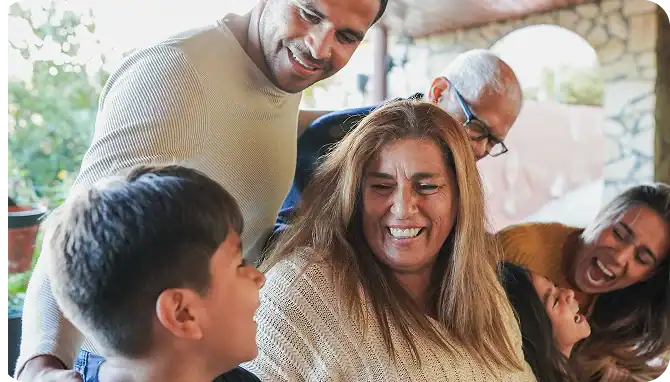
Our programs support adults and families who want structured, compassionate care. Treatment is designed for those seeking recovery without inpatient admission.
We accept most insurance plans and verify benefits quickly. Massachusetts parity laws ensure coverage for behavioral health, including gambling disorder.








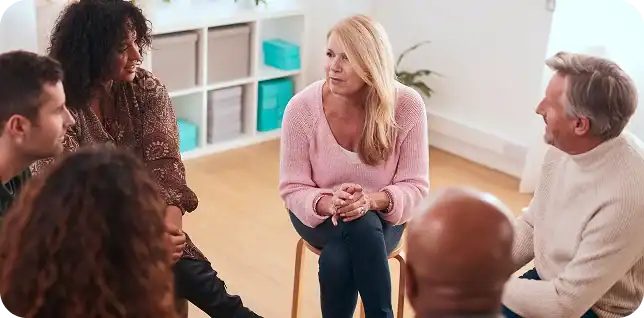
Family engagement is built into your treatment plan. With your consent, loved ones can attend therapy, receive updates, and learn communication and boundary skills. Research shows family involvement improves recovery outcomes and helps prevent relapse.

Our center is located in South Easton, welcoming clients from Easton, Brockton, Taunton, Stoughton, Raynham, and throughout Southeastern Massachusetts. Virtual services are available nationwide.

Every day spent gambling increases stress and debt. Call now, and our team will verify your insurance and help you start treatment quickly.
A mental health condition marked by ongoing gambling that causes harm and is hard to control. It responds well to therapies like CBT and family-involved care.
It provides daily structure, skills practice, and therapy while you sleep at home. This consistent support reduces urges faster than weekly therapy alone.
Yes. Our full virtual program mirrors in-person care, apart from some expressive arts. Telehealth research confirms benefits in reducing gambling symptoms.
Many plans cover gambling disorder treatment under mental health parity rules. We’ll verify your benefits and review your options before you begin.
Your plan may aim for abstinence or harm reduction. You and your team will decide on clear, safe targets together.
Medications may be prescribed for co-occurring conditions like anxiety or depression. Your prescriber will review options with you.
Yes. With your consent, loved ones can join therapy and receive updates to strengthen support at home.
You’ll leave with an aftercare plan, a skills practice schedule, and referrals to GA, local supports, and community resources.