
Your Recovery Starts With One Step
Confidential support available 24/7. Most insurance plans accepted — check yours in under a minute.
Confidential support available 24/7. Most insurance plans accepted — check yours in under a minute.

Benzo addiction often starts with a prescription. Anxiety, panic disorder, and insomnia are among the most common reasons doctors prescribe them, and for short-term use, they work. The problem is that physical dependence can develop in a matter of weeks, even when someone follows the prescription exactly. According to the 2024 National Survey on Drug Use and Health, around 5.3 million people in the United States misused benzodiazepines in the past year, and many of them started the same way.
Stopping benzos is harder than stopping most substances. The brain adapts to their presence, and when they’re removed, the nervous system pushes back hard. Anxiety returns worse than before. Sleep becomes impossible. In some cases, withdrawal triggers seizures. A benzodiazepine addiction treatment program in Easton, MA, needs to account for all of that, not just the psychological side of the addiction. Our programs address both, starting with safe detox coordination before any outpatient work begins.
Most people who call us were prescribed benzos by a doctor for anxiety, panic attacks, or trouble sleeping, and they worked, at least at first. Xanax, Valium, Ativan, and Klonopin are the names we hear most often, but there are dozens of formulations. The issue is that the brain adapts to them faster than most people realize, and what started as a prescription can quietly become something much harder to stop. For anyone who has reached that point, benzo rehab in Easton gives them a medically informed, structured way out.
Benzo withdrawal is one of the more medically serious withdrawal processes there is. Unlike opioids, stopping benzos abruptly can trigger seizures, and the anxiety and insomnia that follow can feel far worse than whatever the original prescription was treating. How intense the symptoms get depends on how long someone has been using benzos and the dose, which is why we don’t recommend anyone try to stop on their own. We coordinate referrals to trusted medical detox partners before clients start our outpatient programs.
Common benzo withdrawal symptoms include:
Once someone is medically stable, the real work of addressing the addiction can begin. We stay involved throughout the process, so there’s no point where someone is left alone figuring out the next step.
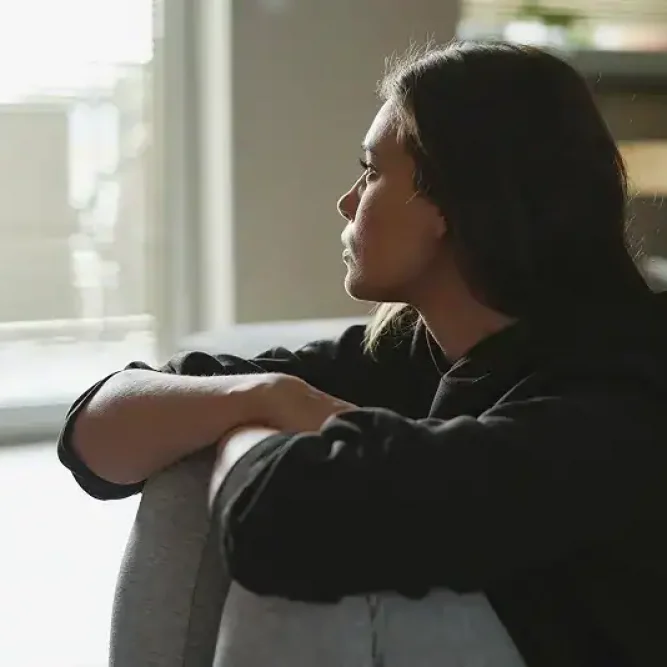
When someone calls about benzo dependence, the conversation usually reveals more than just the substance use. Anxiety, trauma, and depression show up alongside it more often than not, and if those don’t get addressed, the substance use tends to come back. Our clinical team builds each treatment plan after a thorough intake assessment, so care reflects what someone actually needs rather than a standard program template. From the first conversation through discharge, the focus stays on practical progress.

Treatment plans are built around each person’s clinical history, current needs, and goals, and updated as progress is made. Every interaction, from the first call to the final session, is handled with the kind of care and attention we’d want for our own families.
Our programs incorporate mindfulness, expressive arts, family therapy, and life skills training alongside clinical treatment. Each element is included because it serves a specific purpose in addressing the full scope of what someone is dealing with.
We start by learning about your medical history, current needs, and recovery goals before anything else. That information shapes the entire treatment plan and helps us match you with the right level of care from day one.
Medical detox is a supervised process that uses medication to ease withdrawal symptoms and protect your health. We coordinate referrals to trusted detox partners so that the process happens safely before outpatient care begins.
Our team uses cognitive-behavioral therapy (CBT), dialectical behavior therapy (DBT), trauma therapy, and experiential therapy to address the root causes of benzo dependence. Each approach is applied based on what a person’s clinical assessment shows, not applied uniformly across the board.
Posted on Google
 Alicia Googins
Trustindex verifies that the original source of the review is Google.
Andrew Linberg and the team at Rebuilding Recovery are the best of the best. They care deeply about each and every client and the entire family system that is affected by the disease of addiction. Andrew is tireless in his support for those suffering from alcoholism and other addictions, and is truly gifted in helping others move towards lives of rigorous honestly and real recovery. Our family would not be where it is today without Rebuilding Recovery. Thank you.Posted on Google Earle DonahueExcellent program and facility. This place is saving lives.Posted on Google
 Bryan GillentineThe team at Rebuilding Recovery Center provides exceptional care and professionalism. They are compassionate, supportive, and committed to helping anyone navigate any challenges they may be facing. Their dedication and responsiveness truly set them apart.Posted on Google
 Peter SalamoneRebuilding Recovery in Easton truly helped me change my life. The intensive outpatient program gave me the structure, support, and tools I needed to stabilize my mental health and begin building a real foundation in recovery. The staff genuinely care and meet you where you are without judgment. Through therapy, group work, and consistent support, I was able to address both my mental health and substance use in a way that felt realistic and sustainable. This program helped me learn how to live drug- and alcohol-free while developing healthier coping skills and routines. I’m incredibly grateful for the guidance and support I received, and I would highly recommend Rebuilding Recovery to anyone serious about recovery and long-term change.Posted on Google
 Dean CIf you are struggling with substance abuse and/or mental health, please reach out. This place does it right and they can helpPosted on Google
 Cam JacobsGreat experience at Rebuilding Recovery Center. The staff is knowledgeable, welcoming, and genuinely cares about helping you feel and perform better. Highly recommend for anyone serious about recovery.Posted on Google
 Thomas BennettVirtual therapy was an awesome experience for me, using services from out of state was easy. Highly recommend Kyle for anyone looking for a therapistPosted on Google
 michael schryverWhat an absolutely great place with amazing people. Extremely comfortable atmosphere and excellent staff to help with your needsPosted on Google
 Aidan LevangieHaving worked in and been enrolled in multiple treatment centers throughout my life, I can't emphasize enough how different rebuilding recovery is. Every staff member genuinely cares and will do whatever they can to support you, and if something is beyond their capacity, they'll connect you with those who can help. If you're struggling, this is the first place I would recommend seeking help.
Our outpatient programs offer different levels of structure depending on what someone needs. Some clients step down from a medical detox referral and need intensive daily support right away. Others benefit from a schedule that allows them to maintain work or family responsibilities while receiving consistent clinical care. The benzodiazepine addiction treatment program in Easton, MA, we offer includes the following levels of care:
Structured, full-day programs offer intensive therapy while allowing clients to return home each evening.
Flexible programs provide therapy sessions for part of the day, balancing treatment with daily responsibilities.
Online therapy options deliver comprehensive care remotely, ensuring accessibility.
The therapies we use target the root causes of benzo dependence, not just the symptoms. For many people, anxiety, unresolved trauma, or chronic sleep disruption played a direct role in how the addiction developed. Our team integrates individual counseling, group therapy, and trauma-informed approaches so each person receives care that fits their specific history and needs. Expressive arts therapy, mindfulness, meditation, and family counseling are integrated into treatment based on each client’s response and clinical picture.
CBT and DBT do most of the clinical heavy lifting to address substance use. CBT helps people get honest about the thought patterns driving their substance use and start building different responses. DBT is particularly useful for those whose anxiety runs high, since it focuses directly on emotional regulation. Family counseling addresses the strain that builds up over benzo use. For a lot of individuals, repairing those relationships is just as important as the individual clinical work.

Taking the first step toward recovery isn’t easy, especially when addiction has already touched your health, your relationships, and your daily life. If you or someone you love is ready for change, we’re here to help you find the right path forward. At Rebuilding Recovery Center, our licensed clinicians provide outpatient drug and alcohol rehab in Easton, Massachusetts, just south of Boston, with personalized, evidence-based care built around your goals. We’ll listen to your story, answer your questions, and help you choose the level of support that fits your life. Reach out today for a free, confidential conversation and take the next step toward lasting recovery.

We start talking about aftercare well before treatment ends. Leaving without a plan is one of the more common ways people end up back where they started. Relapse prevention, trigger identification, and building daily routines that actually hold up get worked on during treatment, not handed over in a folder on the last day. The transition out of structured care should feel like a continuation, not a cliff.
The next steps will be different for everyone. Some people step down to virtual OP. Others do periodic check-ins or transition into community support. Our team assists each person in determining which options best fit their needs.
Yes, Xanax (alprazolam) is a commonly prescribed benzodiazepine. It’s mainly used to treat anxiety disorders, as well as anxiety caused by depression.
Benzos can stay in your system for days to weeks. This largely depends on the type of benzodiazepine taken and how much was used.
Treatment length varies depending on the unique circumstances of the person involved. Benzo addiction treatment can often last from several weeks to a few months.
Medical supervision is strongly recommended because of the withdrawal risks. Outpatient and virtual options are available if full-time treatment isn’t an option.
Most insurance plans cover benzo addiction treatment. We can help you verify your benefits—reach out to our team today for help.
Severe withdrawal can be life-threatening without medical care. The symptoms are intense and difficult to manage alone, making professional detox essential.