
Your Recovery Starts With One Step
Confidential support available 24/7. Most insurance plans accepted — check yours in under a minute.
Confidential support available 24/7. Most insurance plans accepted — check yours in under a minute.
Gambling disorder can stay hidden for years. It lives on a phone and in a bank statement, and the people closest to you may not see it until the debt shows up. Our gambling addiction treatment in Easton, MA is led by clinicians who specialize in gambling disorder. We help you stop the betting and work through the money and trust problems that came with it.
Gambling disorder is a recognized mental health condition, listed in the DSM-5 alongside substance use disorders. It runs on the same reward cycle as alcohol and drugs, and it’s one of the behavioral addictions we treat with the same clinical tools. Our clinicians diagnose it when at least four of nine criteria show up within 12 months, and severity ranges from mild to severe.
The clearest sign is chasing losses. You bet again to win back what you just lost, then bet more when that fails. Over time, the gambling starts to need cover. You hide bets, delete apps before someone picks up your phone, or keep a credit card your partner doesn’t know about.
Borrowing tends to follow. It might be a cash advance, a loan from a parent with a vague reason attached, or money pulled from savings meant for something else. You may have promised yourself you’d cut back, or quit outright, and placed another bet within days.
Notice how you feel when you can’t gamble. Restlessness, irritability, and poor sleep are common when someone with gambling disorder stops. These are signs of gambling withdrawal, as your brain adjusts to life without the rush of a bet. If any of this sounds familiar, a confidential assessment gives you a clear answer about where things stand.
Sports betting apps went live in Massachusetts in March 2023. Since then, a bet has been as close as your phone, anytime. There’s no drive to a casino and no closing time. Live in-game bets, same-game parlays, and push notifications with deposit offers keep the action going during every game and in between.
That access cuts the gap between an urge and a bet down to seconds. It also puts your checking account one tap from a bet, so losses stack up before you notice. If most of your betting happens on an app, your plan should include effective measures such as blocking software, deleting saved payment methods, and setting gambling blocks through your bank. Our tips for stopping gambling cover a few you can start today.
Our gambling addiction treatment in Easton, MA starts with an assessment that sets your level of care, based on how often you bet, what’s at stake financially, and what else is going on in your life. You can move between levels as your needs change, and your treatment plan comes with you.
Our evening gambling recovery program lets you attend therapy after work, so you keep your job and your daytime family responsibilities. Sessions use cognitive behavioral therapy to challenge the beliefs that keep you betting. Evenings are also prime betting hours, with night games and late app alerts, so support lands when you’re most likely to bet.
Receive daily care in our structured Day Treatment program. You’ll attend four group sessions each day, weekly one-on-one therapy, family work, medication management, and case management. It’s our most intensive option, and you still return home at night.
A step-down after Day Treatment, Half-Day Treatment can also be a direct start if you need less intensity. You’ll receive targeted groups, weekly individual therapy, and ongoing family involvement. Program length adjusts to your goals and progress.
A full telehealth option, virtual treatment mirrors in-person care, except for some expressive arts. You meet with our clinicians by secure video from anywhere in Massachusetts. Sessions run on a HIPAA-compliant platform, so what you share about bets and debts stays between you and your clinician.
Treatment begins with a full assessment of your history, risks, and goals, followed by:
Personalized care with CBT, DBT, trauma, narrative, and experiential therapies
Aftercare planning that begins several weeks before discharge
For many people, a maxed-out card or a collections notice is what prompts the first call. Treatment doesn’t pay it off, but it does give you a plan for facing it. Your clinician helps you lay out every account, including the ones that nobody at home knows about. From there, you set money boundaries that make gambling harder, such as handing card access to someone you trust for a period, turning on spending alerts, and working with a credit counselor when the debt calls for one.
Trust takes longer to repair than a balance. A partner who found a hidden account may still ask to see your bank statements months later. Our family therapy sessions give you both a place to talk about what happened and agree on what openness looks like now. Your family sees the change through small, consistent actions over time.
Gambling and drinking feed each other. A few drinks loosen the limits you set, and a losing night becomes a reason to keep drinking. Some people bet to escape low moods or anxious thoughts, then feel worse after the losses. Each condition keeps the other going.
Our dual diagnosis treatment addresses the gambling and the co-occurring condition in one plan, with one team. Your clinician maps the order things happen in your week, what comes first and what follows. That way, your plan targets the pattern you live with.
The Massachusetts Problem Gambling Helpline is free and confidential. Call 1-800-327-5050, or text “GAMB” to the same number, to talk with a trained specialist about support for you or a family member. GameSense, the state’s responsible gaming program, has trained GameSense Advisors at Massachusetts casinos who share information about how games work and where to find help.
The Massachusetts Gaming Commission runs a Voluntary Self-Exclusion program. You can bar yourself from casino gaming floors, from all licensed sports betting apps and retail sportsbooks, from iLottery, or a combination, for a set term. Licensed operators then agree to keep you from gambling for that full term. Your clinician can help you decide which exclusions to use and for how long.
TEAM
Our gambling treatment team is led by Michael Stevens, Clinical Director of Rebuilding First Responders, and Andrew Linberg, Clinical Executive. Together, they bring more than 50 years of combined experience treating addiction, trauma, and co-occurring disorders. Both are specialists in gambling disorder and recovery coaching, offering evidence-based, trauma-informed care grounded in personal insight and professional expertise.
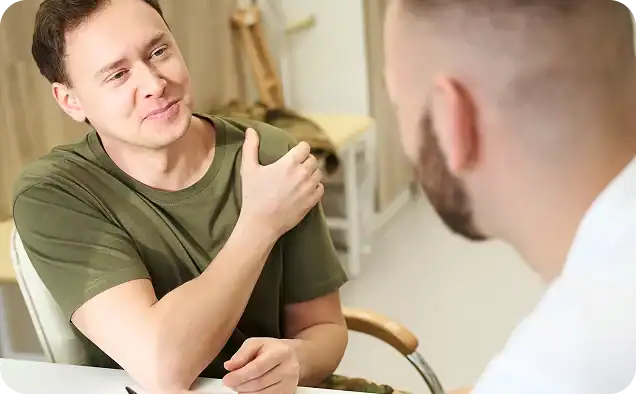

Our programs support adults and families who want structured, compassionate care. Treatment is designed for those seeking recovery without inpatient admission.
INSURANCE
We verify your benefits before your first session, so you know what your plan includes and what you may owe. We don’t accept MassHealth or Medicare.









Family engagement is built into your treatment plan. With your consent, loved ones can attend therapy, receive updates, and learn communication and boundary skills. Family sessions also cover the questions partners ask most: whether to pay off a debt, how to handle shared accounts, and what to say when asked to cover a loss.

Our gambling treatment center is in South Easton and welcomes clients from Easton, Brockton, Taunton, Stoughton, Raynham, and throughout Southeastern Massachusetts. Virtual care is available to adults across Massachusetts.

You don’t need the debt sorted out or a speech prepared before you call. Tell us what’s been happening with the betting, the money, and home. Our admissions team will walk you through the evening, day, half-day, and online options. If it makes sense, we’ll schedule your assessment on that same call.
FAQ
Here are direct answers to practical questions people ask before they start. If yours isn’t covered, please contact us.
Yes, and your clinician at Rebuilding helps you plan for it, since live games are a common trigger. That plan covers which games to skip at first, who you watch with, and how to handle fantasy leagues or friends who talk odds.
Tell your clinician at your next session, or call us before then. A slip doesn’t end your care at Rebuilding. We look at what led up to the bet and tighten the safeguard that failed, like an app block or card access.
Yes, if it suits you. GA meetings, in person and online, add peer support from people who have stopped gambling. Your clinician at Rebuilding can help you find a meeting in Massachusetts and talk through what comes up there.
For most people with gambling disorder, stopping every form of gambling is the safest goal. That includes lottery tickets, scratch cards, and office pools, because a small bet can restart the cycle, and you set the final goal with your clinician.
Start by protecting your own finances: open an account in your name only and remove yourself from shared credit where you can. You can also call our admissions team for advice on raising treatment, and Gam-Anon runs free support groups across Massachusetts for family members.