
Confidential support available 24/7. Most insurance plans accepted — check yours in under a minute.
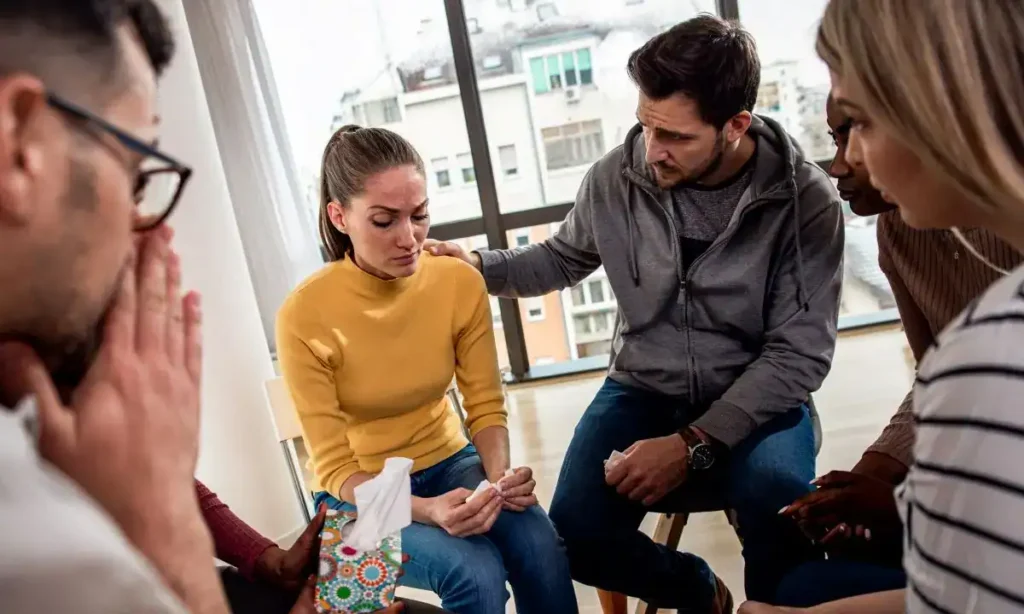
Rebuilding Recovery Center in South Easton, Massachusetts, provides evidence-based care for cannabis use disorder. Get structured therapy, medical support, and family involvement in a welcoming environment designed for recovery.
Cannabis use disorder, often called marijuana addiction, happens when an individual’s use of the substance disrupts their daily life, despite efforts to stop. Behavioral treatments such as cognitive-behavioral therapy (CBT), motivational enhancement therapy, and contingency management are proven to help.
Marijuana, also known as weed, can be psychologically and physically addictive. Around 10% of people who try cannabis develop addiction, and nearly 30% of current users meet diagnostic criteria.
We address cannabis use alongside mental health conditions such as anxiety, depression, or trauma.
Our programs combine optional 12-Step support with therapies like CBT, DBT, and trauma care.
Loved ones can join family therapy, receive progress updates, and strengthen support systems.
Through “unreasonable hospitality,” our clinicians provide highly responsive, individualized care.
Every plan includes strategies to eliminate self-sabotage and maintain long-term stability.

If weed use is starting to affect your health, relationships, or daily responsibilities, treatment may be the right step. You may benefit from professional help if you notice:
Your recovery begins with a full assessment of cannabis use, mental health, and personal goals. Licensed clinicians then design a tailored plan. This may include individual therapy, group sessions, medication management, and case management.
Intensive daily care with four groups, individual therapy, family work, and case management. The structured schedule allows you to focus entirely on recovery.
Flexible care with group therapy, individual sessions, and medication management. This option balances support with work, school, or family responsibilities.
The same quality care is delivered through secure telehealth sessions. Virtual therapy works best if you have stable housing and internet access.
Taking the first step toward recovery isn’t easy, especially when addiction has already touched your health, your relationships, and your daily life. If you or someone you love is ready for change, we’re here to help you find the right path forward. At Rebuilding Recovery Center, our licensed clinicians provide outpatient drug and alcohol rehab in Easton, Massachusetts, just south of Boston, with personalized, evidence-based care built around your goals. We’ll listen to your story, answer your questions, and help you choose the level of support that fits your life. Reach out today for a free, confidential conversation and take the next step toward lasting recovery.
You’ll receive therapies designed to treat both cannabis use and underlying issues:
Helps you identify triggers and practice new coping strategies.
Supports healing from past experiences that may contribute to substance use.
Use mindfulness, relaxation, writing, and art to reduce anxiety.
Builds emotional regulation and stress management skills.
Develops healthier self-perceptions and compassionate self-talk.
Includes yoga, nutritional counseling, vocational coaching, and practical life skills.

Most major insurance plans cover cannabis use disorder services. Our admissions team will verify your benefits and review payment options.


Getting started with Rebuilding Recovery is a clear, supportive process.
We’ll talk through your goals and verify your insurance.
You’ll attend an in-person or virtual meeting to discuss your needs.
With our guidance, you’ll go through proven and wellness therapies.
Our team can help you transition to lower levels of care as needed.
Several weeks before discharge, our team begins aftercare planning. With your therapist, case manager, and family members, we design a plan that ensures continued guidance and smoother transitions after treatment.
Yes. Marijuana can cause cannabis use disorder, and about 1 in 10 users develop addiction, with a higher risk among those who start before 18.
Signs of cannabis addiction include using more than intended, spending too much time on cannabis, relationship problems, or withdrawal symptoms when quitting.
Program length for weed addiction varies, but often lasts several weeks to a few months, followed by aftercare for long-term support.
Most major insurance plans cover treatment, including therapy, medication management, and group support.
While some people quit independently, professional care significantly improves success rates and addresses underlying issues.
Services include individual and group therapy, family involvement, relapse-prevention planning, and medication management when needed.
Behavioral therapies like CBT and contingency management are effective, and many people achieve long-term recovery with structured guidance.