
Your Recovery Starts With One Step
Confidential support available 24/7. Most insurance plans accepted — check yours in under a minute.
Confidential support available 24/7. Most insurance plans accepted — check yours in under a minute.
Anxiety can turn ordinary moments into something exhausting: a racing heart before a meeting you’ve prepared for, thoughts that loop without resolving, a place or situation you find yourself rearranging your whole day to avoid. If you’re searching for anxiety treatment in Massachusetts, you probably already know what that weight feels like: strained relationships, disrupted sleep, and work or school responsibilities that take more out of you than they should. At Rebuilding Recovery Center, we understand that weight, and we’ve built a program designed to help carry it differently.

Anxiety isn’t a single experience. It shows up differently from person to person, and understanding which form you’re dealing with is often the first real step toward getting the right kind of help. It’s also different from the ordinary stress everyone feels before a big decision or a demanding week. Clinical anxiety tends to persist beyond whatever triggered it and to interfere with daily functioning in a way that everyday stress typically doesn’t.
Our clinical team works with the full range of anxiety disorders, not just one presentation of the condition:
Beyond the clinical labels, anxiety tends to show up in the same functional places: concentration at work or school, patience in relationships, sleep, appetite, and the physical sense of being able to relax at all. Restlessness, muscle tension, a racing heart, and a wound-tight feeling that doesn’t fully let up are common physical companions to the worry itself.
According to the National Institute of Mental Health, drawing on a large-scale national survey, anxiety disorders affect a substantial share of adults at some point in their lives, and impairment tends to be meaningful when it occurs, rated moderate to serious for more than half of adults with a past-year anxiety disorder, based on standardized functional-impairment measures from that survey. That underlying survey dates back roughly two decades, so we treat it as a picture of impairment patterns rather than a current-year statistic. In practice, that tracks with what we hear from the people who come to us: this isn’t something that stays contained to one part of life. It reaches into how you show up at work, how present you are with the people you love, and how much rest you’re actually getting.
Effective anxiety treatment in Massachusetts starts with an honest clinical picture of what you’re experiencing, not a standard template applied to everyone who walks through the door. Before any plan is built, our team completes a full clinical assessment to understand your specific symptoms, history, and goals.
From there, care is guided by a few consistent principles:
Not everyone needs the same intensity of support, which is why we offer more than one way to begin.
For people who need more structure and clinical contact early on, our Full-Day Treatment program provides a full day of therapeutic support while still allowing you to return home each evening. This level of care is often the right starting point for anxiety that's significantly disrupting daily functioning.
As symptoms become more manageable, or for people who don't need a full-day structure to begin with, our Half-Day Treatment schedule offers outpatient anxiety treatment through a lighter, more flexible schedule. Sessions are built around the reality that most people can't put work, school, or family responsibilities on hold, so treatment fits into your week instead of taking it over.
For those who need additional flexibility, we also offer online anxiety treatment through the same clinical team and evidence-based approach used in our in-person programs.

We address Xanax addiction alongside depression, anxiety, trauma, or other substance use, ensuring whole-person healing.
Options include CBT, DBT, trauma therapy, and optional 12-Step support so you can personalize your recovery path
With your consent, loved ones can attend family therapy, receive updates, and learn how to support your recovery at home.
Our “unreasonable hospitality” ensures responsive care, quick follow-ups, and a supportive healing environment.
Every plan includes personalized strategies to build healthy habits, prevent relapse, and sustain long-term stability.
Posted on GoogleTrustindex verifies that the original source of the review is Google. Andrew Linberg and the team at Rebuilding Recovery are the best of the best. They care deeply about each and every client and the entire family system that is affected by the disease of addiction. Andrew is tireless in his support for those suffering from alcoholism and other addictions, and is truly gifted in helping others move towards lives of rigorous honestly and real recovery. Our family would not be where it is today without Rebuilding Recovery. Thank you.Posted on GoogleTrustindex verifies that the original source of the review is Google. Excellent program and facility. This place is saving lives.Posted on GoogleTrustindex verifies that the original source of the review is Google. The team at Rebuilding Recovery Center provides exceptional care and professionalism. They are compassionate, supportive, and committed to helping anyone navigate any challenges they may be facing. Their dedication and responsiveness truly set them apart.Posted on GoogleTrustindex verifies that the original source of the review is Google. Rebuilding Recovery in Easton truly helped me change my life. The intensive outpatient program gave me the structure, support, and tools I needed to stabilize my mental health and begin building a real foundation in recovery. The staff genuinely care and meet you where you are without judgment. Through therapy, group work, and consistent support, I was able to address both my mental health and substance use in a way that felt realistic and sustainable. This program helped me learn how to live drug- and alcohol-free while developing healthier coping skills and routines. I’m incredibly grateful for the guidance and support I received, and I would highly recommend Rebuilding Recovery to anyone serious about recovery and long-term change.Posted on GoogleTrustindex verifies that the original source of the review is Google. If you are struggling with substance abuse and/or mental health, please reach out. This place does it right and they can helpPosted on GoogleTrustindex verifies that the original source of the review is Google. Great experience at Rebuilding Recovery Center. The staff is knowledgeable, welcoming, and genuinely cares about helping you feel and perform better. Highly recommend for anyone serious about recovery.Posted on GoogleTrustindex verifies that the original source of the review is Google. Virtual therapy was an awesome experience for me, using services from out of state was easy. Highly recommend Kyle for anyone looking for a therapistPosted on GoogleTrustindex verifies that the original source of the review is Google. What an absolutely great place with amazing people. Extremely comfortable atmosphere and excellent staff to help with your needsPosted on GoogleTrustindex verifies that the original source of the review is Google. Having worked in and been enrolled in multiple treatment centers throughout my life, I can't emphasize enough how different rebuilding recovery is. Every staff member genuinely cares and will do whatever they can to support you, and if something is beyond their capacity, they'll connect you with those who can help. If you're struggling, this is the first place I would recommend seeking help.

Whatever level of care fits your situation, the therapeutic work itself is grounded in approaches with real clinical support behind them.
CBT is one of the most researched and consistently used therapies for anxiety, and it forms a core part of our clinical approach. A 2022 meta-analysis of clinical trials, published in Current Psychiatry Reports via PubMed Central, found that CBT produces a statistically significant improvement in anxiety symptoms compared to placebo, reinforcing its standing as a well-supported treatment for anxiety-related disorders. For phobias and some forms of panic and social anxiety, we also use exposure therapy, which helps people gradually and safely reduce avoidance rather than reinforce it. For some individuals, we also incorporate dialectical behavior therapy (DBT) skills and mindfulness-based approaches alongside CBT to support emotional regulation.
Anxiety treatment happens across more than one format here. Individual sessions give you space to work through symptoms one-on-one with a clinician. Group therapy connects you with others navigating similar challenges. And because anxiety often affects the people closest to you, family therapy is available to help loved ones understand what you’re experiencing and how to support your progress. Together, these therapeutic modalities are part of the broader range of therapies we offer at Rebuilding Recovery Center.
For some individuals, medication can be a helpful supportive tool alongside therapy. It isn’t a requirement for everyone, and it’s never treated as a stand-alone solution; when medication is part of a plan, it’s managed by our clinical team as one part of a broader, individualized approach.
Taking the first step toward recovery isn’t easy, especially when addiction has already touched your health, your relationships, and your daily life. If you or someone you love is ready for change, we’re here to help you find the right path forward. At Rebuilding Recovery Center, our licensed clinicians provide outpatient drug and alcohol rehab in Easton, Massachusetts, just south of Boston, with personalized, evidence-based care built around your goals. We’ll listen to your story, answer your questions, and help you choose the level of support that fits your life. Reach out today for a free, confidential conversation and take the next step toward lasting recovery.
Cognitive-behavioral therapy (CBT) to map triggers and practice new responses
Dialectical behavior therapy (DBT) for emotion regulation and distress tolerance
Experiential and expressive arts to reduce anxiety through practice
Holistic supports like mindfulness, yoga, nutrition, and life skills

Anxiety and substance use disorders are frequently co-occurring conditions. Some people turn to alcohol or other substances as a way of managing anxious feelings, especially when mental health support hasn’t felt accessible; in other cases, substance use itself can intensify anxiety symptoms over time. Research consistently points to this relationship running in both directions, without one condition simply causing the other, which is part of why treating them as separate, sequential problems rarely works well.
At Rebuilding Recovery Center, dual diagnosis care means anxiety and substance use are addressed together, within the same treatment plan, rather than one being asked to wait for the other to resolve first. That kind of integrated planning tends to produce steadier progress than treating the two conditions on separate tracks. Anxiety is also commonly comorbid with depression, and where that overlap shows up, our depression treatment program may factor into your broader care plan as well.
We accept most insurance plans and verify benefits quickly. Massachusetts parity rules require comparable coverage for behavioral health, including substance-related care.








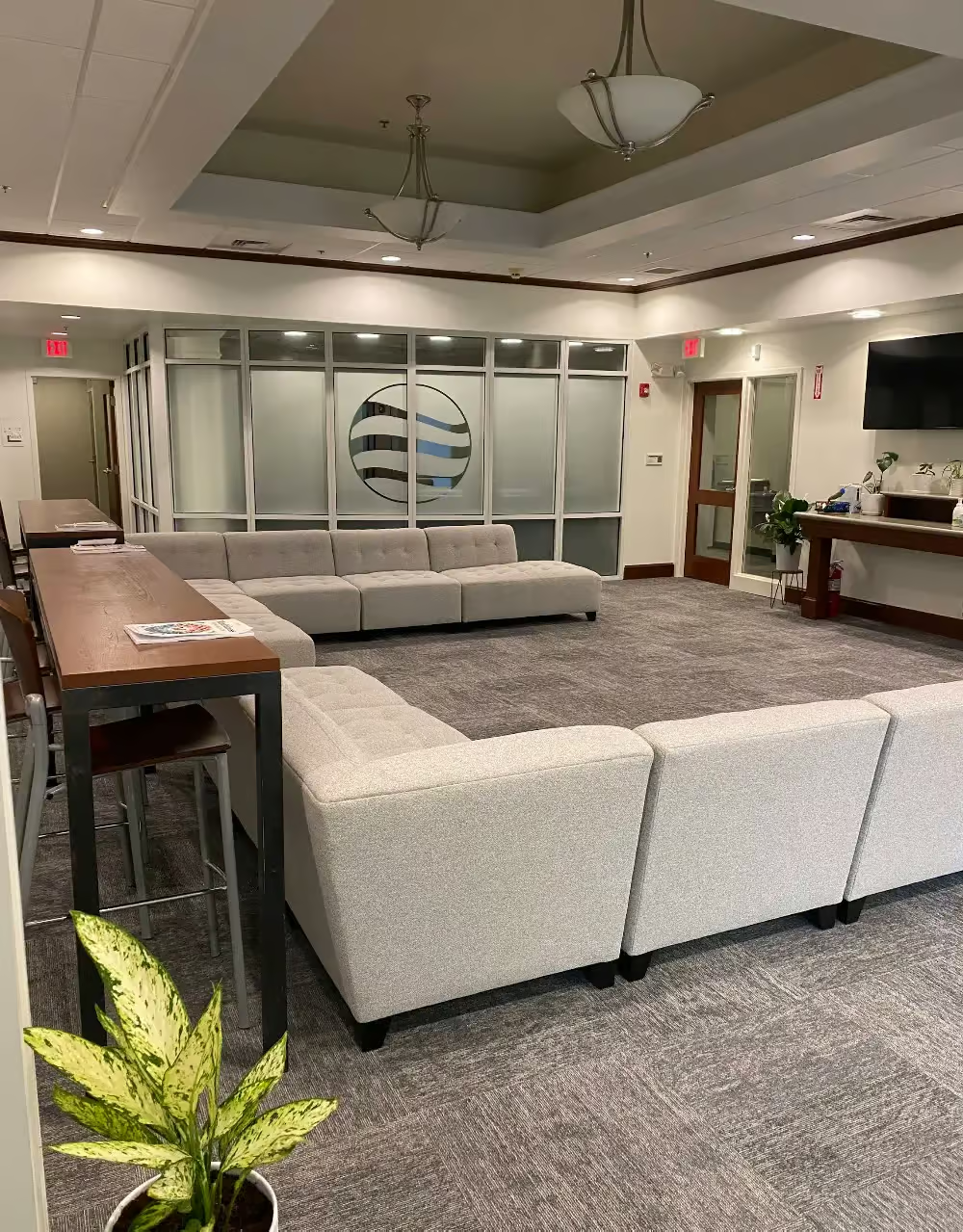
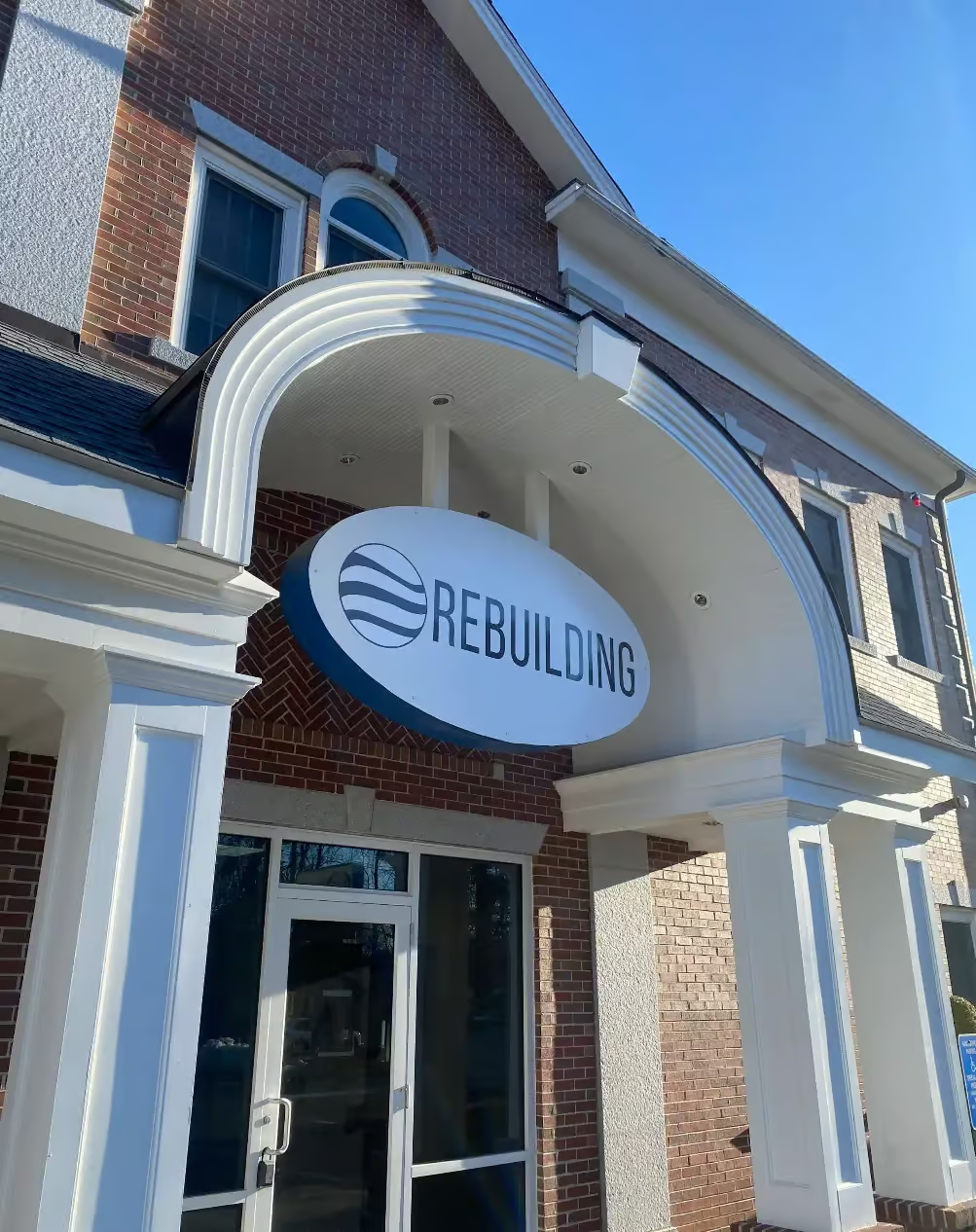
For many people evaluating Massachusetts anxiety treatment options, accessibility matters as much as clinical quality. Our location gives people across the greater Boston area a commutable, outpatient path to care that doesn’t require stepping away from work, school, or family for weeks at a time.
We’ll talk through your goals and verify your insurance.
You’ll attend an in-person or virtual meeting to discuss your needs.
With our guidance, you’ll go through proven and wellness therapies.
Our team can help you transition to lower levels of care as needed.
Recovery from Xanax addiction is possible with structured support and a plan you can live with. At Rebuilding Recovery Center in Easton, you will find day, half-day, and virtual options that match your needs. Call today to begin care and move forward with confidence.
Here are a few of the questions people commonly ask before starting anxiety treatment.
There’s no single fixed timeline, since duration depends on the severity of symptoms, the level of care involved, and individual progress. Some people move through Full-Day Treatment in a matter of weeks before stepping down to a lighter schedule, while others begin directly in a less intensive outpatient format. A clinical assessment is the best way to get a realistic estimate for your specific situation.
For many people with anxiety disorders, outpatient anxiety treatment can be an effective and clinically appropriate option, particularly when paired with evidence-based therapies like CBT. Inpatient or higher levels of care may be more appropriate in situations involving more severe impairment or additional co-occurring conditions. The right level of care depends on an individual clinical evaluation rather than a general rule.
Not necessarily. Because anxiety and substance use disorders frequently occur together, treatment is often more effective when both are addressed at the same time rather than requiring one to be resolved before starting the other. Your treatment plan will reflect your specific clinical picture, including any substance use, from the start.
Coverage varies by plan and provider network, so the most reliable way to know what your specific policy covers is to verify your insurance directly. Our admissions team can walk you through this process and help you understand your options before you commit to a program.
Both formats use the same clinical team, assessment process, and evidence-based therapeutic approaches. In-person treatment takes place at our location and includes the option of Full-Day or Half-Day programming, while online treatment allows you to attend sessions remotely on a schedule that may better fit your circumstances. Which format makes sense for you is something we typically discuss during your initial assessment.