




Many veterans carry silent stress about how service, health, and work all connect. If you’re also dealing with addiction, PTSD, depression, or anxiety, you may wonder how treatment could affect your job, your benefits, or your future.
Protected veteran status is one way the law helps keep you safe from discrimination and gives you room to heal. We’ll help you understand the basics, your rights, and how addiction treatment fits into the broader context of healing.
What Is a Veteran?
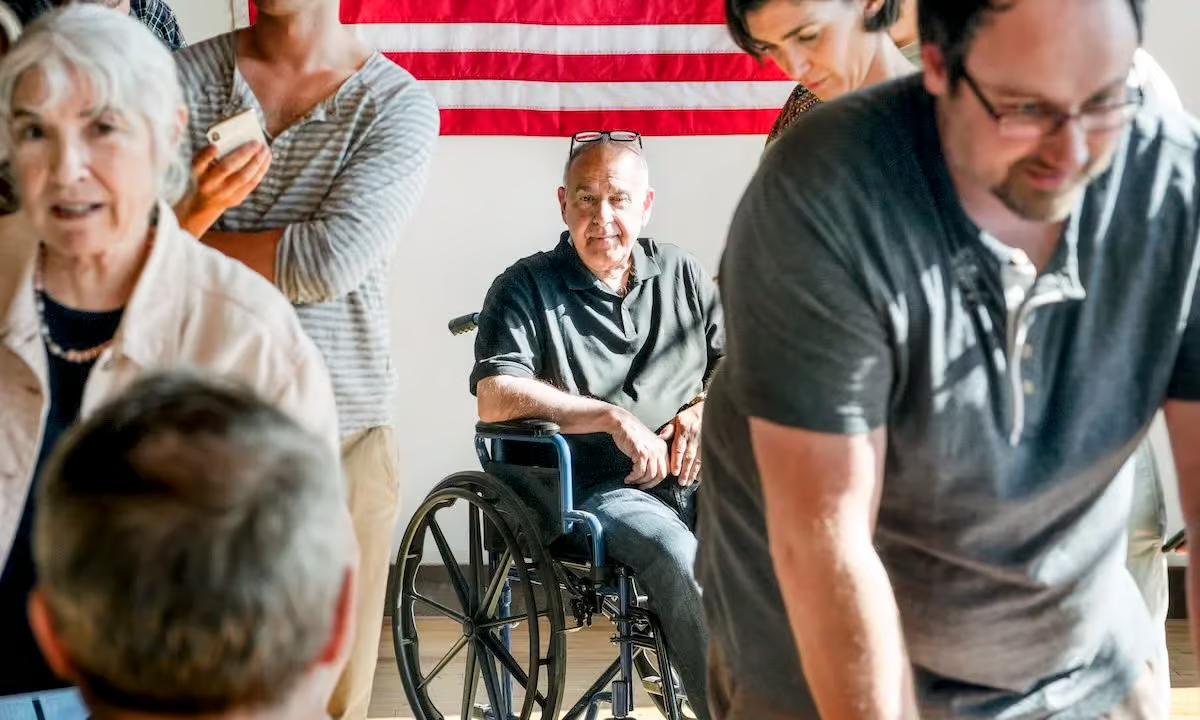
A veteran is anyone who served in the United States Armed Forces. This includes active duty, National Guard, and Reserve members. You don’t need combat experience to be considered a veteran. You also don’t need a long service record. Many people qualify after serving during peacetime or completing the full term of their contract.
Some veterans worked in high-risk roles. Others supported missions through logistics, maintenance, medical care, communication, or training. Every role and branch counts. If you served, you are a veteran, and you deserve respect and access to care when addiction or mental health concerns occur.
Protected Veteran Status: What It Really Means
Protected veteran status is a legal category that prevents unfair treatment in hiring and employment. It helps make sure veterans aren’t discriminated against because of their service or the challenges that can follow. This protection can matter when you need time for addiction treatment, trauma care, or mental health support and fear your job may be at risk.
Protected status doesn’t change your benefits or your discharge history. It gives you extra support if you need leave, accommodations, or space to focus on your health. For many, this protection is the safety net that makes asking for help with substance use feel possible.
Protected Veteran Categories and Examples

There are four main types of protected veterans. These short examples can help you understand where you might fit:
- Disabled veteran: A veteran with a service-connected condition, such as chronic pain or PTSD
- Recently separated veteran: Someone discharged within the last three years, such as someone who left the military last year and is struggling with alcohol
- Armed Forces service medal veteran: A veteran who earned a medal for taking part in a specific mission
- Campaign badge veteran: A person who served in a combat zone and earned a campaign badge
Knowing your category can help when speaking with HR, seeking time off, or entering treatment. You don’t need to share private details about addiction or mental health to receive protection.
Veteran Benefits Guide for Addiction Treatment
When addiction, trauma, or depression begin to affect your life, it can be hard to know where to start. Protected veterans have access to VA healthcare, Vet Centers, and community programs, and your health information is private, including care for substance use.
Many people look for programs built for veterans and first responders, where staff understand the culture and the kind of calls that stay in your mind. Care might include trauma-informed therapy, medication support, family counseling, and groups with peers, all aimed at helping you stay sober and feel more stable.
Veteran Jobs, Workplace Rights, and Going to Rehab
Protected veteran status works with laws like the ADA and FMLA to give you added support. While this isn’t legal advice, many veterans can take medical leave or ask for schedule changes so they can attend treatment.
Most employers want their workers to be healthy and steady. Getting help often protects your career more than trying to handle everything alone. Programs such as day treatment or half-day treatment can give you a clear plan to balance recovery and work.
Returning to Work After Rehab

Many veterans and first responders return to work with a simple plan that includes outpatient care, peer support, and relapse prevention. Partial-day programs can fit around shifts or rotating schedules, and weekly therapy or groups help you practice new skills in real time. Bit by bit, home and work life can both feel steadier.
How Protected Veterans Can Start Treatment Today
If you think you may be a protected veteran, you can start with a few simple steps:
- Confirm your status with a veteran service officer or with your human resources department.
- Ask a VSO (veteran service officer) to help review your benefits and complete any needed forms.
- Explore addiction treatment options that understand veteran and first responder culture.
- Ask how each program handles confidentiality, family involvement, and return to work planning.
- Verify your insurance and choose a level of care that fits your needs and schedule.
You don’t need to figure everything out at once. Support is available, and recovery is possible with steady, clear guidance.
If you are ready to talk about next steps for yourself or a loved one, Rebuilding Recovery Center can help you explore treatment that is relational, trauma-informed, and built for real life. You can reach the team at 781-806-3007 to ask questions or verify insurance when you feel ready.